Amid long Autism diagnosis waits, one New Jersey group offers faster path to care
Experts say delays in autism evaluations and services are largely due to a shortage of trained health care workers.
More Stories
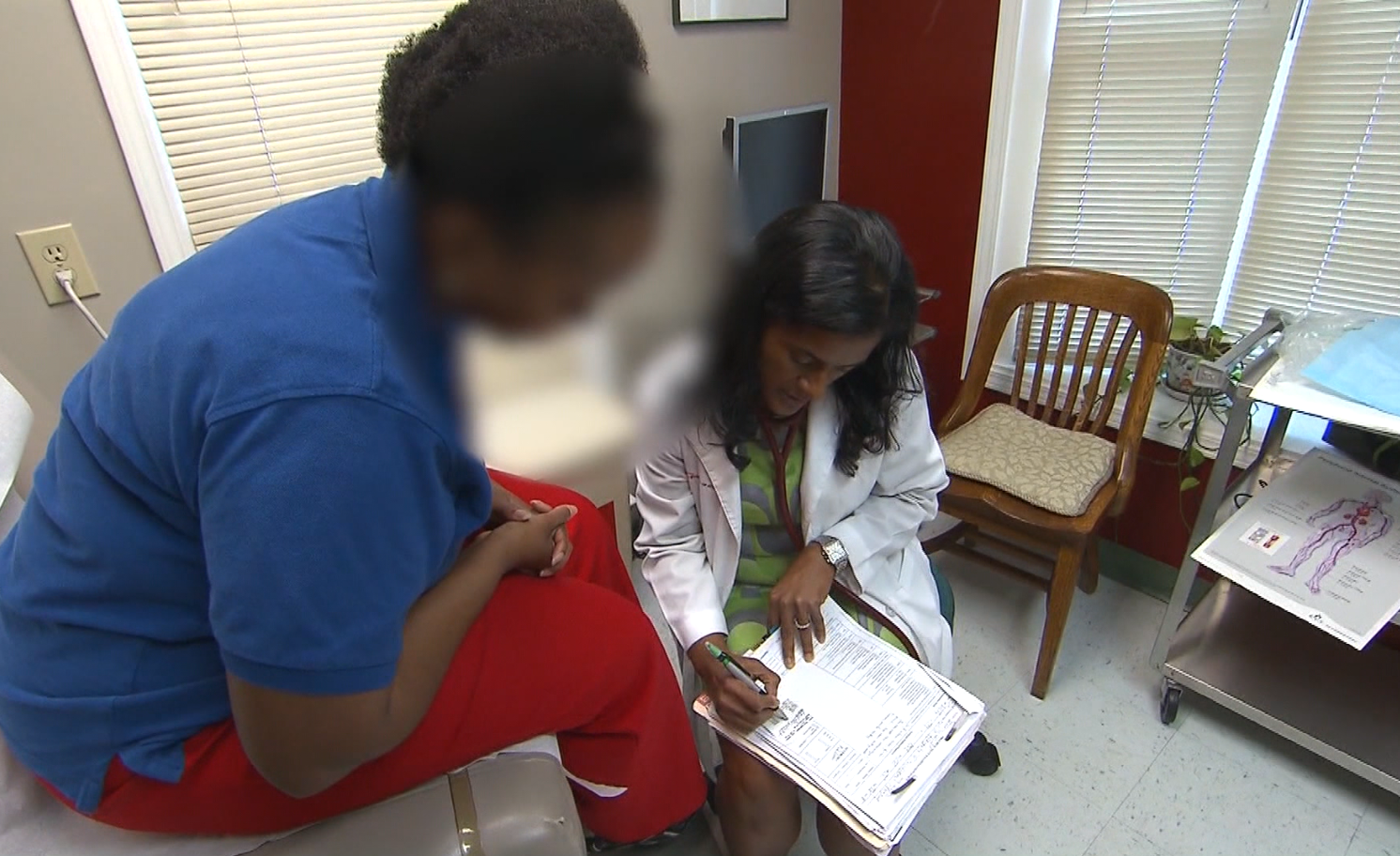





There is a waiting crisis in New Jersey when it comes to autism evaluations and diagnoses.
Autism New Jersey (Autism NJ- Steps to Take While You Wait for a Diagnostic Evaluation) reports families can wait six months to two years for answers.
That is why The Uncommon Thread in Stirling is working to fill the gap.
Two months ago, the nonprofit applied behavior analysis (ABA) provider launched its 30-day Pathway to Treatment program. (hyperlink: 30-Day Pathway - The Uncommon Thread)
“Our 30-day pathway takes a couple of pieces that are broken,” said Greg Carr, founder of The Uncommon Thread. “We’re trying to build a better pathway for these families so that within 30 days they can go from suspicion of services to actually receiving ABA services.”
Carr founded the organization in 2007. However, it all began in 2002, when his son was diagnosed with autism. He and his wife, Aileen, saw how early intervention of ABA services affected their son’s progress and wanted to help other children. Carr said the organization has served about 750 children over nearly 20 years.
The organization has two locations in Stirling, serving children 16 months to 5 years old. It also operates in preschools and school districts across New Jersey.
“The challenge is that neural plasticity of the mind is more malleable you can get the greatest success when these kids are younger,” Carr said.
When the organization first began working with families, Carr said most referrals were for children ages 2 and 3. Now, referrals are coming later, typically between ages 4 and 6.
With the 30-day pathway program, Carr said the organization has expanded its network to help more families.
“We expanded our network from 10 specialists to 75 specialists. Now we’re working across the state of New Jersey and managing cancellations,” he said.
Carr said delays in autism evaluations and services are largely due to a shortage of trained health care workers. He said he has been in discussions with major hospital systems, including RWJBarnabas Health, Atlantic Health System and Hackensack Meridian Health, and plans to speak with child development teams about improving the process.
Another tool the organization is using is EarliPoint Evaluation, an FDA-cleared autism diagnostic device. (hyperlink: https://earlipointhealth.com/)
“That system allows us to do two things,” Carr said. “It allows us to screen on our end, and it also provides a diagnostic evaluation we can give to specialists to help streamline the process.”
For information on screenings and evaluations, contact earlyanswers@theuncommonthread.org.