How to choose the best pollinator plants for bees, butterflies, and hummingbirds
If you want flowers that you will love just as much as the bees, hummingbirds, and butterflies there are a few things you need to keep in mind.
More Stories
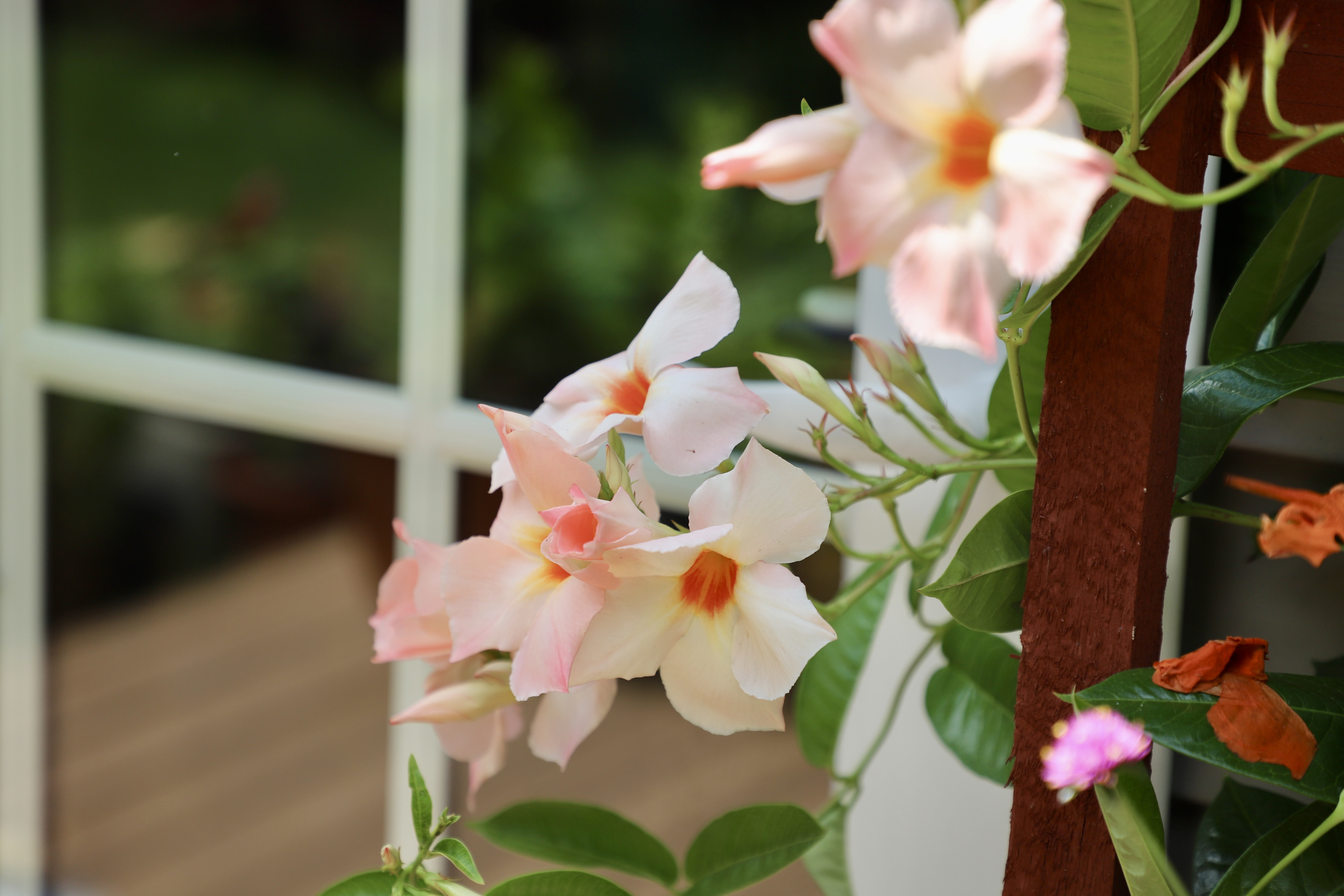
When you walk into a garden center in spring, it’s easy to be distracted by the biggest blooms, the brightest colors, or the most unusual flower shapes. But if your goal is to create a garden with buzzing bees, fluttering butterflies, and hummingbirds you’ll want to keep in mind that the best pollinator plants are not always flashiest.
Shop for Native plants.
One of the easiest ways to shop smarter for pollinators is to start with native plants. Species that naturally grow in our area have evolved alongside local bees, butterflies, and birds, making them some of the most reliable nectar and pollen sources you can plant. Native flowers also tend to support a wider range of wildlife, from caterpillars to beneficial insects, creating a garden that feels much more alive and is lower maintenance.
Plants like Cardinal flower, Columbine, native Salvias, Coneflowers (Echinacea), bee balm (Monarda), mountain mint (Pycnanthemum), and Black-eyed Susans (Rudebeckia hirta) are all excellent choices that thrive in our gardens and in much of the eastern United States. Many of these plants bloom through the summer and all of these are perennials, which means they will come back every spring.
How to attract hummingbirds
When shopping specifically for hummingbirds, pay close attention to flower shape and color. Hummingbirds are attracted to red, orange, and deep pink blooms, particularly flowers with a tubular shape. Their long beaks allow them to reach nectar hidden deep inside flowers that many insects cannot easily access.
Cardinal flowers are a the classic hummingbird magnets, producing brilliant red spikes in late summer just when hummingbirds are actively feeding before migration. Columbine is another favorite, especially in spring, with dangling blooms perfectly shaped for hummingbird feeding.
Plants like Cuphea, salvia, and Gartenmeister fuchsia (if you have a shady spot) are also outstanding choices, especially for containers or annual color displays. I have even seen my red bromeliads (another shade lover) and red cannas (which love full sun) get visits from hummingbirds.
How to attract butterflies
Butterflies, on the other hand, tend to prefer flatter flowers that provide an easy landing platform. Plants with clusters of smaller blooms are especially useful because butterflies can move from flower to flower without expending much energy.
Cone-flowers, Lantana, Joe-Pye Weed, Asters, Milkweed, and verbena are all dependable butterfly plants that also add long-lasting color to the garden. Milkweed and members of the parsley family are examples of important catepillar food sources.
Some flowers do not attract pollinators
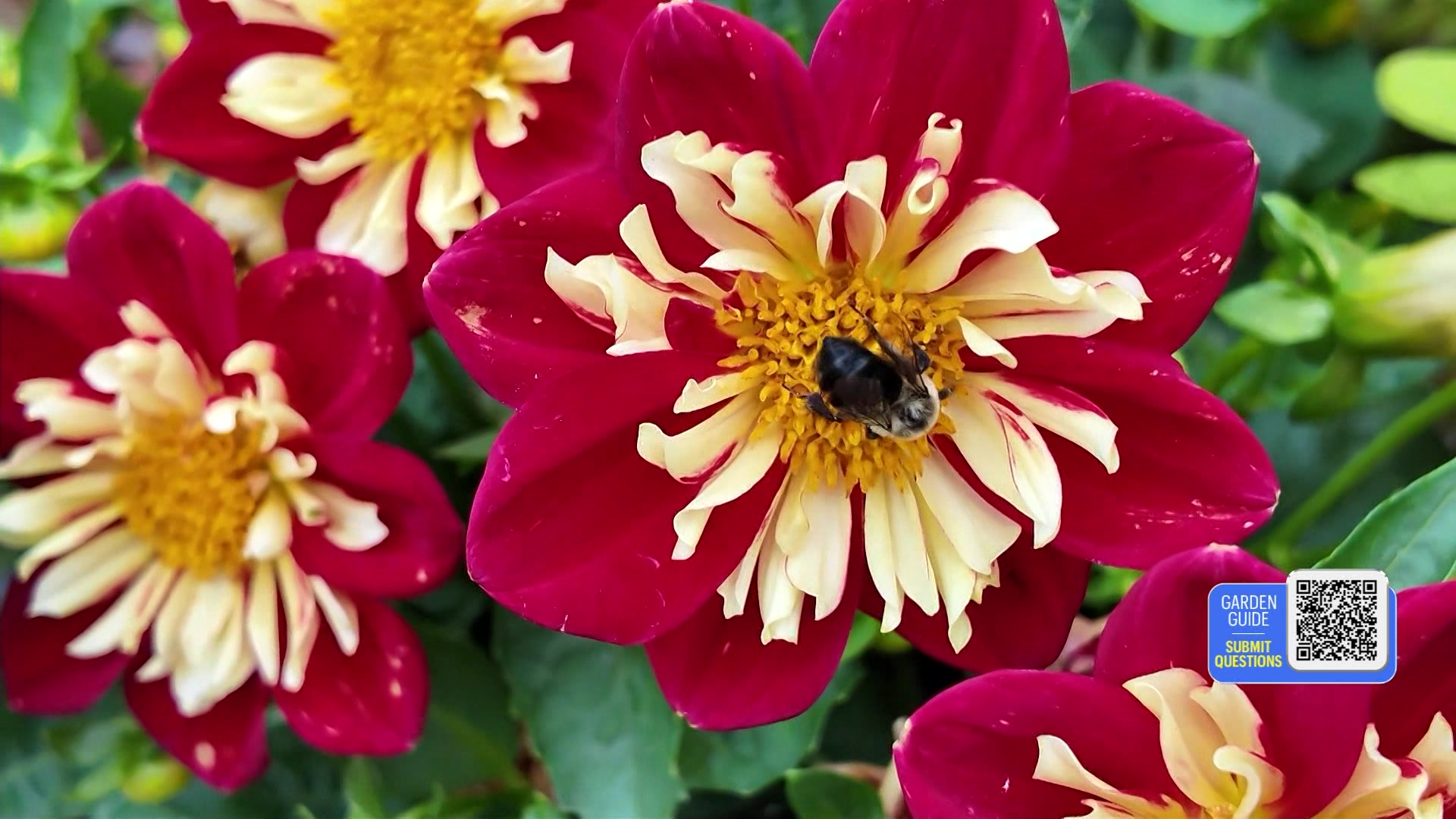
One important detail many gardeners overlook is the difference between single flowers and double flowers. Double flowers are becoming more popular because the textures are beautiful, but they produce less nectar and pollen, and the extra petals can make it difficult for bees and butterflies to access the flower’s center. In some cases, the reproductive parts of the flower have actually been bred into additional petals, leaving little food behind for pollinators.
Simple, open flowers are usually the better choice if attracting wildlife is the priority. A single-flowered zinnia, salvia, or echinacea will be visited much more frequently than those double blooms.
Focus on bloom timing
Another helpful shopping tip is to think beyond appearance and focus on bloom timing. A strong pollinator garden offers flowers from early spring through frost.
Early bloomers help emerging bees and migrating hummingbirds, while late-season flowers provide critical fuel for monarch butterflies and other insects preparing for winter.
Annuals can also play an important role. While many native perennials are seasonal bloomers, annuals like Cuphea, lantana, zinnias, and salvias flower continuously until frost, making them valuable nectar sources during the hottest parts of summer when some perennials slow down.
At the garden center, don’t just shop with your eyes. Watch which plants already have bees or butterflies visiting them. Pollinators often tell you exactly which flowers are worth bringing home.